Electric rollators with a drive function are considered a real innovation for people with limited mobility. But what really matters when looking for a model that not only drives but also proves safe, smooth and comfortable in everyday use?
Which features you need depends on your routes. A seat for rest breaks and an electric drive mode while seated serve different purposes.
Features for your everyday routes
1. Electric drive mode with smooth start-up
Try out how starting, steering and stopping feel. The manufacturer specifies the top speed for the respective drive mode.
2. Manual use without the motor
Check the user manual to see whether and how the device can be used as a walking frame when the drive is switched off or the battery is empty.
3. Pushing aid / start-up aid
Assists when starting or going uphill – this saves energy and provides greater mobility.
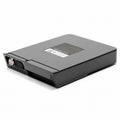
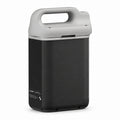
4. Battery, charging location and range
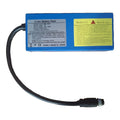
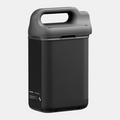
Can the battery be removed for charging? Is it sufficient for your regular routes? The range depends on factors including incline, load and battery condition.
5. Safe, automatic braking assistance
Ask to have the brakes on the specific device shown to you. The manual explains how to secure it when parking and when the electric braking assistance intervenes, if the model has one.
6. Intuitive controls
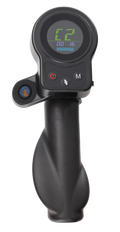
Large, clearly visible buttons or controls for "Forward", "Backward" and "Stop". No display clutter – ease of use is crucial.
Equipment and comfort
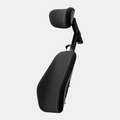
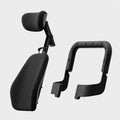
1. Padded seat with backrest
This makes every break a comfortable seating moment – ideal for longer walks or while waiting.
2. Suspension or damping
Cobblestones or uneven paths become significantly more comfortable to walk on with damping.
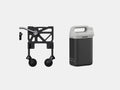
3. Foldable and transportable
For transport, folded dimensions, weight and the height of the loading edge are important. Check which parts you can lift yourself and whether the battery is included in the stated weight.
4. Easy-rolling wheels with tread
Choose the tires suitable for the routes approved by the manufacturer for the model.
5. Lighting & reflectors
For greater visibility in the dark or in bad weather. Turn signals are optional but useful.
Safety and manufacturer specifications
1. Intended use and CE marking
The manufacturer describes the intended use in the user manual. With the CE mark, they declare conformity with the applicable EU regulations. Whether the health insurance covers the costs, clarify separately. European Union information on CE marking.
2. Behaviour when released
What happens if you release the handle or control element? Ask to have the behaviour for the selected operating mode explained.
3. Stopping and warning signals
How do you stop deliberately? Check the manual to see which controls and warning signals your device has.
✅ OTHER IMPORTANT BUYING CRITERIA
- Spare parts & service available in Germany
- Clarify any desired cost coverage with your health insurance before purchase.
- App/remote control (optional)
- Check the maximum user weight and the separately stated bag load.
- Design: Not "hospital-like", but modern and stylish
Questions for a test drive
How much support do you feel when walking on your usual routes?
Can you stop and secure the device in a controlled manner with your hand strength?
Is the seat intended for breaks, or can you also drive the device while seated?
Which steps can you perform yourself, and where do you need help?
Conclusion:
Use your most important everyday routes as a benchmark. During a test drive, you can try out the operation, seating comfort and the features relevant to you.